How to Install and Maintain Smoke & Carbon Monoxide Detectors for Maximum Safety
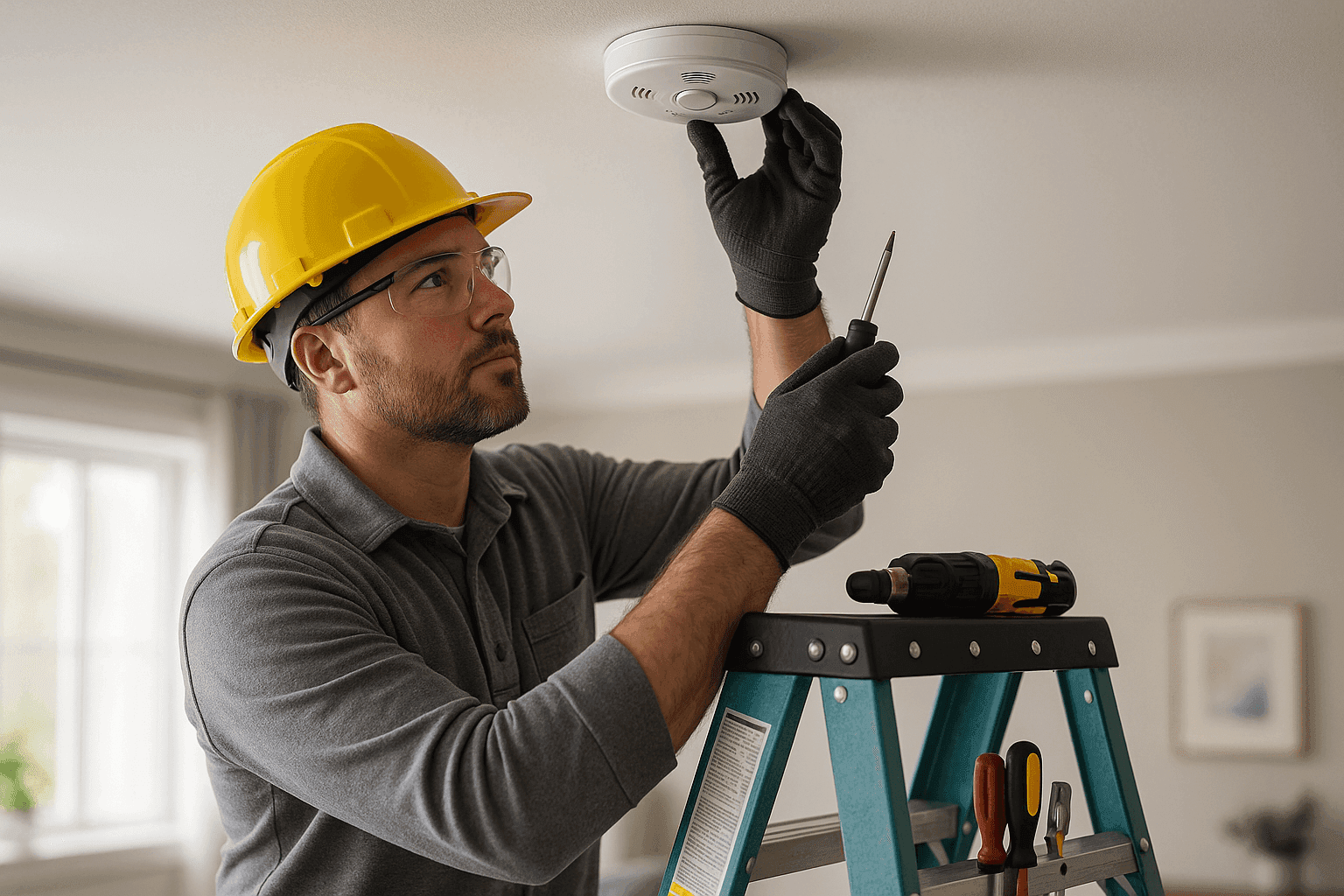
When it comes to the safety of your home and loved ones, every second counts. Smoke and carbon monoxide detectors are like silent guardians—always watching, always ready. Yet, too often, these lifesaving devices are overlooked, ignored, or left with dead batteries. At Brighten Up Electricians, we know the difference a working detector makes. Let’s walk through what you need to know to keep your family safe.
Why Detectors Save Lives 🚨
Imagine waking up in the middle of the night to a faint beeping sound. It’s not just noise—it’s your first line of defense against hidden dangers. Smoke and carbon monoxide (CO) detectors are essential because:
- Smoke detectors give early warning of fire, providing precious minutes to escape.
- Carbon monoxide detectors alert you to a deadly, invisible gas you can’t see, smell, or taste.
- The National Fire Protection Association (NFPA) reports that working detectors cut the risk of dying in a home fire by half.
- Many local and national building codes require working smoke and CO detectors in residential buildings.
Without these, you’re driving at night with no headlights—dangerous and preventable.
Where to Place Detectors
Good placement is key. Think of detectors like lifeguards—they need the best vantage point to spot trouble.
Follow these rules of thumb:
-
Smoke Detectors:
- Place inside every bedroom and outside each sleeping area.
- At least one on every floor, including basements and attics.
- Install on ceilings, at least 10 cm from corners. If wall-mounted, place 10–30 cm down from the ceiling.
-
CO Detectors:
- Outside sleeping areas and on every level, including basements.
- Near attached garages and rooms with fuel-burning appliances.
- Avoid direct sunlight, high humidity, or next to vents.
Avoid:
- Kitchens (to prevent false smoke alarms from cooking)
- Bathrooms (steam can trigger them)
- Within 1 meter of windows or doors
Refer to your local building code and manufacturer’s instructions—requirements can vary by region and home type.
How to Install and Test
You don’t need to be an electrician to handle basic installation, but it pays to follow steps carefully. Here’s how:
Tools You’ll Need
- A drill (if mounting on drywall or masonry)
- Screwdriver
- Anchors and screws (usually included)
- New batteries (AA, 9V, or lithium, depending on model)
Step-by-Step Installation
-
Mark the Spot:
Use a pencil to mark where the base will go. Check for hidden wires or pipes. -
Drill Holes:
Drill pilot holes for the mounting plate. -
Secure the Base:
Attach the mounting plate with screws and anchors. -
Attach Detector:
Snap or twist the detector onto the base. -
Power Up:
Insert fresh batteries or connect hardwired units to power. -
Test:
Press the “Test” button. A loud beep means it’s working.
Testing Best Practices
- Test each detector monthly.
- Listen for a strong, steady alarm.
- No sound? Replace batteries or the unit.
Pro Tip:
Hardwired units often have a backup battery. Don’t forget to check both!
Routine Maintenance Tips 🛠️
A detector is only as good as its upkeep. Treat them like smoke signals—they need to be clear to be heard.
Monthly:
- Test alarms using the “Test” button.
- Wipe units with a dry cloth to remove dust.
Every 6–12 Months:
- Replace batteries (unless using sealed 10-year models).
- Vacuum around vents to clear debris.
Every 10 Years:
- Replace the entire smoke or CO detector (check the back for the manufacture date).
False Alarms and Troubleshooting
- Frequent chirping: Usually low battery—replace immediately.
- Random alarms: Dusty sensor—clean gently.
- No sound on test: Replace battery or unit.
End-of-life signal: Many newer detectors “chirp” or flash when it’s time for replacement—never ignore this warning.
For persistent issues, contact an electrician. Some problems signal deeper wiring faults or outdated equipment.
Laws and Codes: What You Need to Know
Building codes and safety standards are there for a reason. In most areas:
- Smoke detectors are required in all sleeping rooms and on every level (per International Residential Code and local regulations).
- CO detectors are required near sleeping areas in homes with fuel-burning appliances or attached garages.
- Some insurance policies mandate proof of working detectors for coverage.
Always check with your local authority or fire marshal for your region’s requirements.
Best Practices for Maximum Safety
- Interconnect detectors—when one alarms, all sound off.
- Choose photoelectric smoke detectors for living areas (less prone to false alarms from cooking).
- Install combination smoke/CO units in key locations.
- Keep a fire escape plan and practice with your family.
- Schedule regular electrical safety inspections with a qualified electrician—especially if you’ve had nuisance alarms, made upgrades, or added Pool & Spa Electrical near you.
When to Call a Professional
Some jobs are best left to the pros:
- Hardwiring new detectors to your electrical panel.
- Replacing units with interconnected or smart home systems.
- Troubleshooting persistent false alarms or power issues.
- Upgrading to meet new building codes.
Brighten Up Electricians handles installation, rewiring, safety checks, and complex electrical system design—so you’re never left guessing.
Frequently Asked Questions
How often should I replace my smoke and CO detectors?
Replace every 10 years, or sooner if they fail tests or show damage. Always check the manufacturer’s label.
What if my detector keeps beeping, even with new batteries?
Try cleaning the unit and checking for obstructions. If that doesn’t help, it may be time for a replacement—or a wiring check by an electrician.
Are combination smoke/CO detectors effective?
Yes! Many modern models combine both sensors for convenience and safety, but placement rules still apply.
Can I install detectors myself?
Battery units are usually DIY-friendly. For hardwired or interconnected systems, it’s safest to call an electrician.
Local and Seasonal Considerations 🌦️
- Winter: More heating means higher CO risks—check detectors before turning on furnaces or fireplaces.
- Storm season: Power outages can affect hardwired units. Ensure backup batteries are fresh.
- Renovations: If you update wiring, outlets, appliances, or install Pool & Spa Electrical near you, double check detector placement and power.
The Bottom Line
Smoke and carbon monoxide detectors are small investments with lifesaving returns. Installation is simple, maintenance is quick, and the peace of mind is priceless. At Brighten Up Electricians, we see daily how up-to-date detectors change outcomes for families. Don’t wait for a close call to act.
Call Brighten Up Electricians now — or reach us anytime at 877-725-5126 .