How to Prepare Your Home Electrical System for Storms and Emergencies
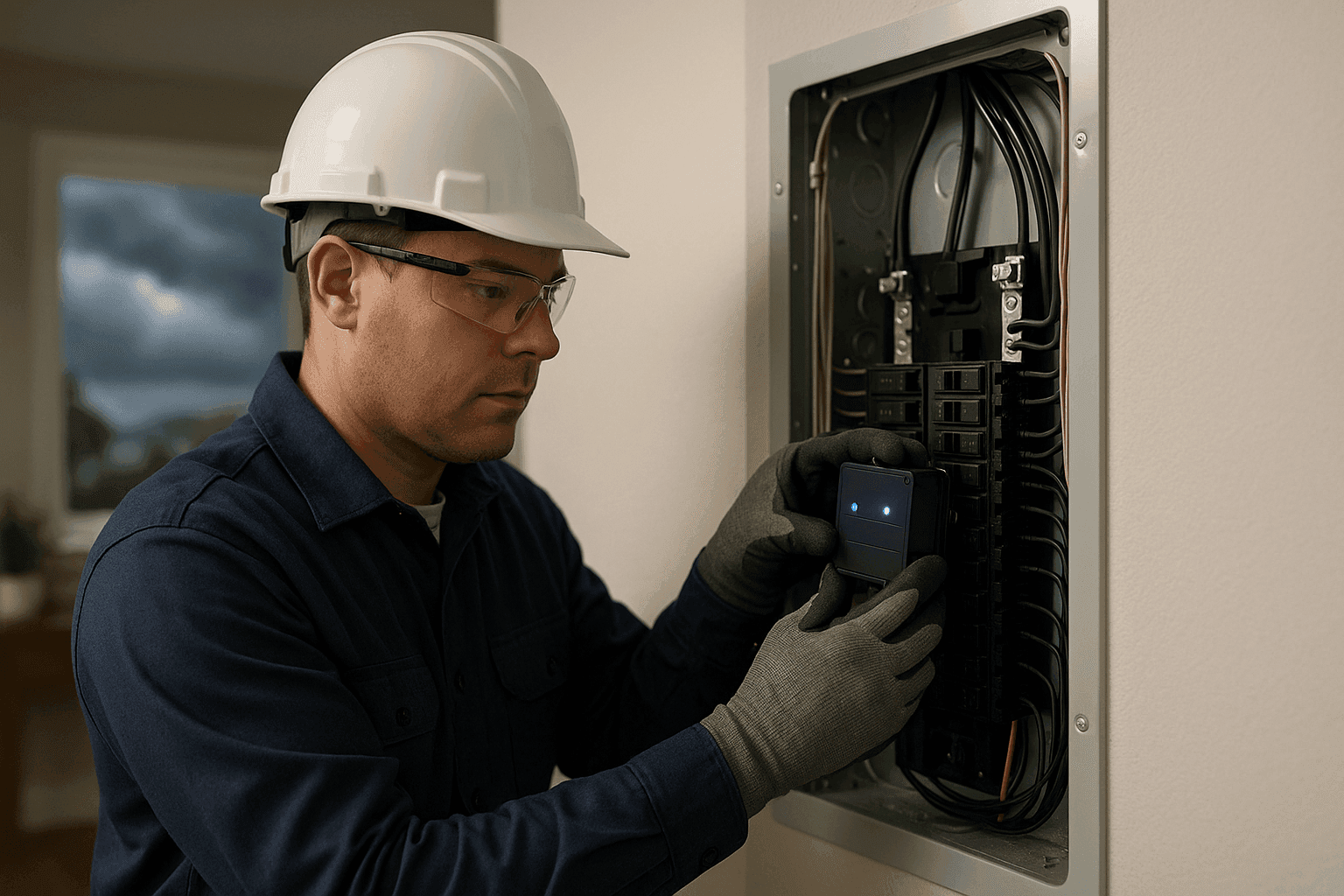
When a storm rolls in—whether it's a blizzard blanketing your street, a hurricane rattling your windows, or a summer thunderstorm threatening a blackout—you want to know your home's electrical system is ready. The right preparation is like setting up sandbags before the flood: it won't stop the storm, but it can save you from a world of headaches and hazards.
At Brighten Up Electricians, we've seen firsthand how power outages and electrical surges can turn a safe haven into a danger zone. We want to help homeowners take smart, simple steps that keep families safe and comfortable, no matter what the forecast throws your way.
Assessing Your Electrical System ⚡
Start with what you have. Think of your home’s electrical system as a tree—roots (main panel), branches (circuits), and leaves (outlets, lights, appliances). If one part is weak, the whole thing can suffer in a storm.
Key steps to assess:
- Check your main panel: Is it labeled? Are there signs of rust or scorching? If it trips often, that’s a red flag.
- Inspect outlets and switches: Loose, warm, or buzzing outlets can mean trouble.
- Review old wiring: Homes built before the 1980s may have outdated wiring not up to modern code (see National Electrical Code guidelines).
- Test GFCI outlets: Especially in kitchens, bathrooms, garages, and outdoor spaces. These are your first defense against shocks.
- Look for exposed wires: Especially in basements and attics.
- Know your critical circuits: Which breakers power your fridge, sump pump, or medical equipment? Label them now—don’t wait for the lights to go out.
Professional tip: Schedule an electrical safety inspection at least once every five years, or after any major renovation or home purchase.
Securing Backup Power (Generators and Batteries) 🔋
When the grid goes dark, backup power is your lifeline. Think of a generator as your home’s safety net. It keeps the essentials running: refrigerator, medical devices, sump pump, or even charging your phone.
Types of Backup Power
- Portable generators: Good for short outages, but must be used outdoors and never inside a garage or basement (carbon monoxide hazard).
- Standby generators: Wired directly into your home, they kick on automatically when the power fails. These require professional installation—ask an electrician near you with experience in generator wiring and transfer switches.
- Battery backup systems: Silent, clean, and can keep lights or electronics running for hours.
Generator safety basics:
- Keep generators at least 20 feet from windows and doors.
- Never plug a generator directly into a wall outlet unless you have a transfer switch installed.
- Store enough fuel, but always follow local fire codes.
- Test your generator every few months—like starting your car after a long winter.
Reference: The Electrical Safety Foundation International (ESFI) offers helpful generator safety guidelines.
Protecting Appliances and Electronics 🛡️
A single surge can fry your computer, TV, or smart fridge in a blink. Lightning doesn’t even have to strike your house—just the neighborhood power lines.
How to guard your gear:
- Install whole-home surge protection: This acts like a bouncer at your electrical panel, blocking dangerous voltage spikes before they reach your outlets.
- Use plug-in surge protectors: For sensitive devices like computers, TVs, and game consoles. Not all power strips are surge protectors—look for the UL 1449 rating.
- Unplug non-essential devices: If you know a storm is coming, unplug what you can. It’s the simplest prevention method.
- Ground your pool & spa electrical: Storms and water are a risky mix. Pool & Spa Electrical near you should always be installed and inspected by a licensed electrician.
Expert advice: Surge protection isn’t just for thunderstorms. Utility grid fluctuations or even nearby construction can spike your system.
Post-Storm Safety Checks 🏠
Storm’s over? Don’t rush to flip everything back on. There may be hidden dangers lurking behind the walls.
Your post-storm checklist:
- Look for water damage: Wet outlets, panels, or wires must be inspected before use.
- Reset tripped breakers with caution: If a breaker won’t stay on, leave it off and call a pro.
- Check appliances before plugging in: Smell smoke or see scorch marks? Don’t take chances.
- Test smoke & carbon monoxide detectors: Power outages can drain their batteries—replace them if needed.
- Inspect outdoor wiring: Downed lines are deadly—stay clear and call your utility company.
Important: According to the National Fire Protection Association (NFPA), electrical fires often start after storms due to damaged wiring or overloaded circuits.
Quick Safety Checklist
- Label critical circuits in your panel
- Test GFCI and AFCI outlets monthly
- Install surge protection at your panel and outlets
- Store flashlights and batteries in easy-to-find spots
- Keep backup generator fuel in a safe location
- Know how to turn off your main breaker
- Schedule an annual electrical safety inspection
DIY vs. Call a Pro
Some things are fine for the handy homeowner. Resetting breakers, unplugging electronics, or checking your generator’s oil? Go for it.
But if you see sparks, smell burning, or find water near wiring, step back. Rewiring, panel upgrades, and generator installations require a licensed electrician. Electricity is invisible—like a snake in tall grass. Don’t risk your safety or your home.
What Pros Do On Arrival
When an electrician arrives after a storm or before hurricane season, here’s what to expect:
- Inspect your main panel and breakers for signs of damage
- Test your safety devices (GFCIs, AFCIs, detectors)
- Examine wiring in wet or flood-prone areas
- Check grounding and bonding for pool, spa, and outdoor systems
- Install or test surge protection
- Advise on generator sizing, placement, and safe operation
- Offer a written report of recommended upgrades or repairs
At Brighten Up Electricians, we use current code guidelines (such as those from the National Electrical Code) and bring decades of experience to every visit.
Prevention & Maintenance
Keeping your system storm-ready is a year-round job—like changing your car’s oil before a road trip.
Simple habits:
- Test smoke and carbon monoxide detectors every month
- Schedule a professional electrical safety inspection annually
- Keep trees and branches trimmed away from overhead wires
- Replace worn extension cords and avoid overloading outlets
- Upgrade panels or wiring in older homes to meet modern safety codes
- Add battery backup to essential circuits (sump pump, refrigerator)
Seasonal tip: If you live in a hurricane or tornado zone, consider whole-home surge protection and a professionally installed transfer switch for your generator.
Costs & Time Factors
Every home is different, but here’s what to expect:
- Electrical safety inspections typically take 1–2 hours.
- Surge protector installation can be done in an afternoon.
- Generator installation (standby models) takes a day or more, depending on permits and site prep.
- Panel upgrades or rewiring may require a day or two, especially in older homes.
The cost of prevention is almost always less than the cost of repairs after a major storm. Insurance may cover storm damage, but not always for surge-related appliance loss—check your policy.
When It’s an Emergency
If you see or smell smoke, hear buzzing from your panel, or see sparks—leave the area and call 911 first. Then, call an electrician. Don’t try to put out electrical fires with water. If you have a backup generator running and smell gas, shut it down and get outside.
Remember: Downed power lines can be deadly even if they look harmless. Stay at least 35 feet away and notify your utility company.
FAQ
Q: Should I turn off my main breaker during a severe storm?
A: Only if you have significant flooding or see sparks/smoke. Otherwise, keep it on so sump pumps and detectors keep working.
Q: How do I know if my surge protector is working?
A: Look for an indicator light (usually green). If it’s off or red, replace it. Most last 3–5 years.
Q: Can I run a portable generator in my garage if the door is open?
A: Never. Carbon monoxide can build up quickly and is deadly. Only run generators outdoors.
Q: How often should I test my backup generator?
A: Start it monthly and run it for at least 5–10 minutes. Schedule annual maintenance with a qualified electrician.
Local & Seasonal Considerations 🌦️
From summer downpours to winter ice storms, every season brings its own risks:
- Hurricanes: Secure outdoor wiring, check your sump pump, and have plenty of fuel for backup power.
- Blizzards & freezing rain: Ice can snap lines and weigh down branches—inspect overhead service lines after storms.
- Heatwaves: High demand can overload circuits and panels. Test your air conditioning circuits before peak season.
- Spring floods: Make sure basement outlets and panels are above flood level.
If you have a pool, hot tub, or outdoor kitchen, make sure their circuits are protected and GFCI-equipped. Pool & Spa Electrical near you should be inspected every spring.
Storms don't care about schedules—they arrive when they please. But a little planning goes a long way. If your home’s electrical system needs a checkup, or you want to talk surge protection, backup generators, or safety inspections, we're here to help.
Call Brighten Up Electricians now — or reach us anytime at 877-725-5126 .