What to Do When Your Circuit Breaker Keeps Tripping: Step-by-Step Troubleshooting
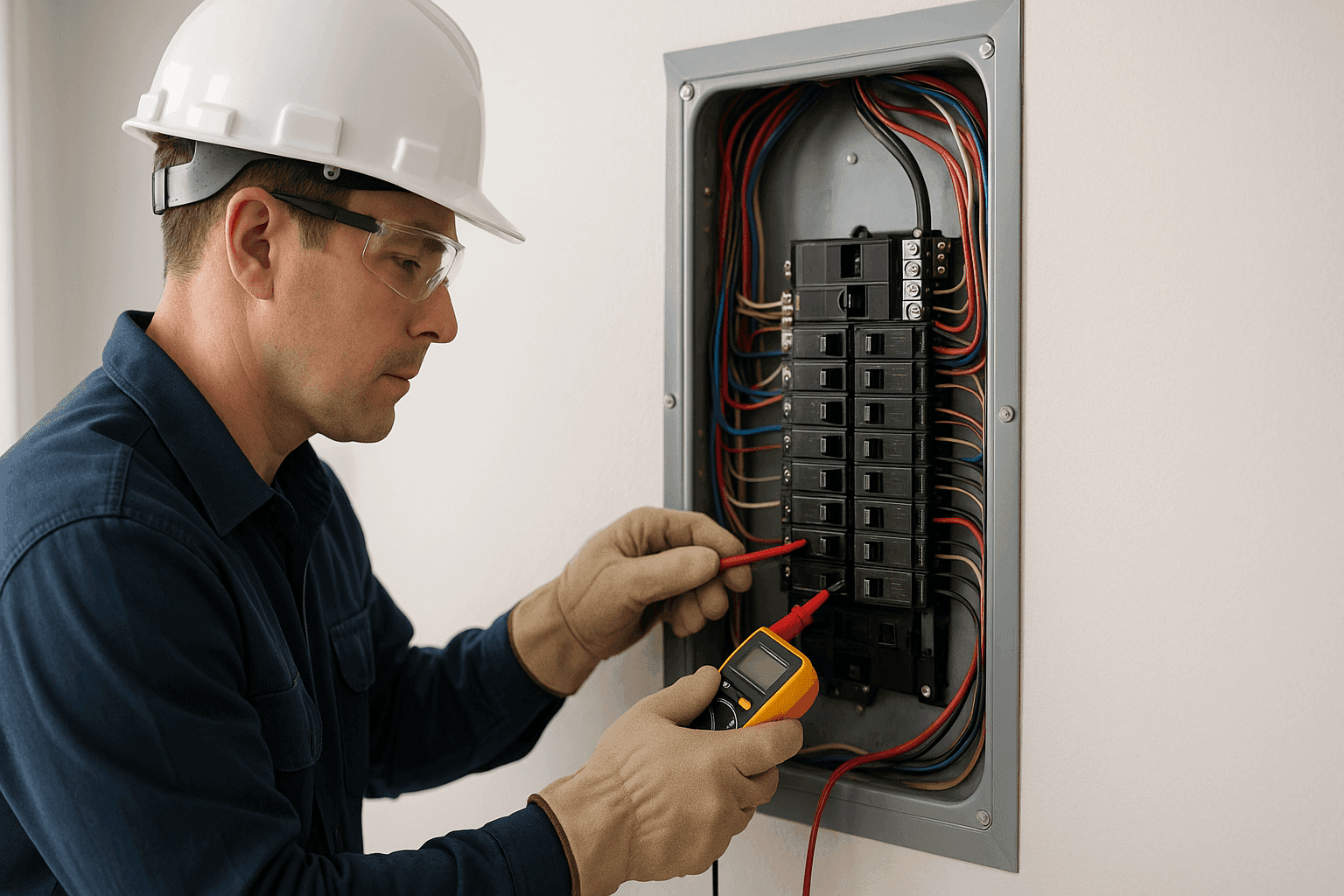
Is your circuit breaker tripping again? One moment, everything’s humming along—the next, the lights flicker out, appliances power down, and you’re left in the dark. It’s frustrating. It’s inconvenient. Sometimes, it’s downright worrying.
At Brighten Up Electricians, we know this is more than a minor annoyance—your breaker is trying to tell you something important. Understanding why it’s happening can be the difference between a quick fix and a serious safety hazard.
Understanding Your Breaker Panel ⚡
Think of your breaker panel as the heart of your home’s electrical system. Each breaker acts like a safety valve, shutting off power when something’s wrong. If you’re not sure where it is, look for a gray metal box—often in the garage, basement, or utility room.
Inside, you’ll see rows of switches. Each one controls a specific circuit—kitchen, bedrooms, pool & spa electrical, and so on. When a breaker “trips,” it moves to a middle or “off” position, cutting off power to that part of your home.
Why does this matter? Because your panel is designed to protect you. When breakers trip, they’re preventing overheating, electrical fires, and damage to your appliances.
Common Causes for Tripping
Breakers don’t trip for no reason. Here are the most common culprits:
- Overloaded Circuits: Plugging too many things into one outlet or circuit, like running the microwave, toaster, and coffee maker all at once.
- Short Circuits: When a hot wire touches a neutral or ground, causing a sudden surge of electricity.
- Ground Faults: Similar to short circuits, but involve wires touching metal or water. This is a big risk in wet areas—think pool & spa electrical or bathrooms.
- Faulty Appliances: Sometimes, the issue isn’t in your wiring—it’s a malfunctioning appliance causing the breaker to trip.
- Worn or Damaged Wiring: Old homes, pests, or DIY repairs can leave wires exposed or frayed, increasing the chance of trouble.
Sometimes it’s obvious—like when the breaker trips every time you turn on the vacuum. Other times, it’s a mystery that needs a closer look.
DIY Troubleshooting Steps
Safety comes first. Electricity is powerful—and dangerous if mishandled. If you’re unsure, always err on the side of caution.
Here’s what you can safely try at home:
- Unplug Everything: Start by unplugging all devices and appliances on the affected circuit.
- Reset the Breaker: Flip the tripped breaker all the way off, then firmly back on.
- Plug In One at a Time: Plug in each device, one by one. Watch for which one causes the breaker to trip.
- Look for Damage: Check plugs, cords, and outlets for scorch marks, melting, or unusual smells.
- Test Other Outlets: If everything seems fine, try plugging the same device into a different circuit. If it trips again, the device may be faulty.
- Check for Water: Especially around pool & spa electrical, bathrooms, or kitchens. Water and electricity never mix.
Important:
- Never force a breaker to stay on.
- Never open the breaker panel itself—leave that to a licensed electrician.
- If you smell burning, see smoke, or hear buzzing, stop immediately.
When to Call a Professional
Not every electrical problem is a DIY fix. Here’s when it’s time to pick up the phone:
- The breaker trips immediately after resetting, with nothing plugged in.
- You find damaged outlets, exposed wires, or a burning smell.
- Your home is older, and you suspect outdated wiring or panels.
- There’s water near the panel or outlets.
- You’ve tried troubleshooting, but the problem keeps coming back.
A licensed electrician from Brighten Up Electricians will safely inspect the system, test for hidden faults, and recommend repairs that meet the latest safety codes (see: National Electrical Code [NEC]).
Safety Warnings & Signs of Serious Electrical Issues
Electricity doesn’t give second chances. If you notice any of these signs, treat it as urgent:
- Sparking or Smoking Outlets: Shut off the main power and call for help.
- Frequent Tripping: More than once a week, or on multiple circuits.
- Hot Panels or Outlets: Feel for warmth—if it’s hot, it’s a hazard.
- Flickering Lights: Especially if it happens with heavy appliances.
- Buzzing Noises: Any humming or crackling from outlets or the panel.
Ignoring these can lead to electrical fires or serious injury.
Tips for Identifying Appliance-Related Problems 🛠️
Sometimes, it’s not your wiring—it’s what you’re plugging in.
- Old or Damaged Devices: Unplug and replace anything with worn cords or broken plugs.
- High-Wattage Appliances: Space heaters, hairdryers, and microwaves use a lot of power. Try not to run them on the same circuit.
- Pooling Water: Any device near water (pool pump, spa, or kitchen gadget) should be plugged into a GFCI outlet.
- Moving Appliances: If an appliance works in one room but not another, the issue may be with the circuit, not the device.
Preventing Future Breaker Trips
Good habits now prevent problems later:
- Spread Out High-Power Devices: Don’t overload one outlet or power strip.
- Schedule Regular Safety Inspections: Licensed electricians can spot trouble before it starts.
- Upgrade Outdated Wiring: Especially in homes built before the 1980s.
- Install GFCI and AFCI Protection: Required by code for kitchens, bathrooms, and outdoor circuits.
- Label Your Breaker Panel: Know which breaker controls each room or appliance.
Routine maintenance by a professional electrician is the best way to keep your home safe.
When to Call for Emergency Service
Some situations can’t wait. Call for 24-hour emergency electrical service if you experience:
- Electrical shock, burning smells, or visible fire
- Sparking from outlets or panels
- Complete loss of power (not caused by a utility outage)
- Water in or around your panel
Your safety is always the priority.
Frequently Asked Questions
Why does my breaker trip when I use the microwave?
Microwaves draw a lot of power. If you’re running other appliances on the same circuit, you may be overloading it. Try plugging the microwave into a dedicated outlet.
Can I replace a breaker myself?
For homeowners, it’s not recommended. Replacing breakers requires knowledge of electrical code and safety precautions. Leave it to a licensed electrician.
How often should I have my electrical system inspected?
Experts recommend a professional inspection every 3–5 years, or after renovations, new appliance installations, or if you notice frequent issues.
Is it safe to reset a tripped breaker?
Yes—if you unplug devices first and the breaker stays on. If it keeps tripping, don’t force it. Call a professional.
Local and Seasonal Considerations
In some areas, seasonal storms or high humidity can increase the risk of tripped breakers, especially around pool & spa electrical systems. Summer often brings higher demand for air conditioners and pool pumps—watch for overloads during peak months.
The Bottom Line
A tripped breaker is your home’s way of saying, “Something’s not right.” A little troubleshooting can go a long way—but know when to call in the professionals.
Call Brighten Up Electricians now — or reach us anytime at 877-725-5126 .