Essential Electrical Safety Checks Every Homeowner Should Do Annually
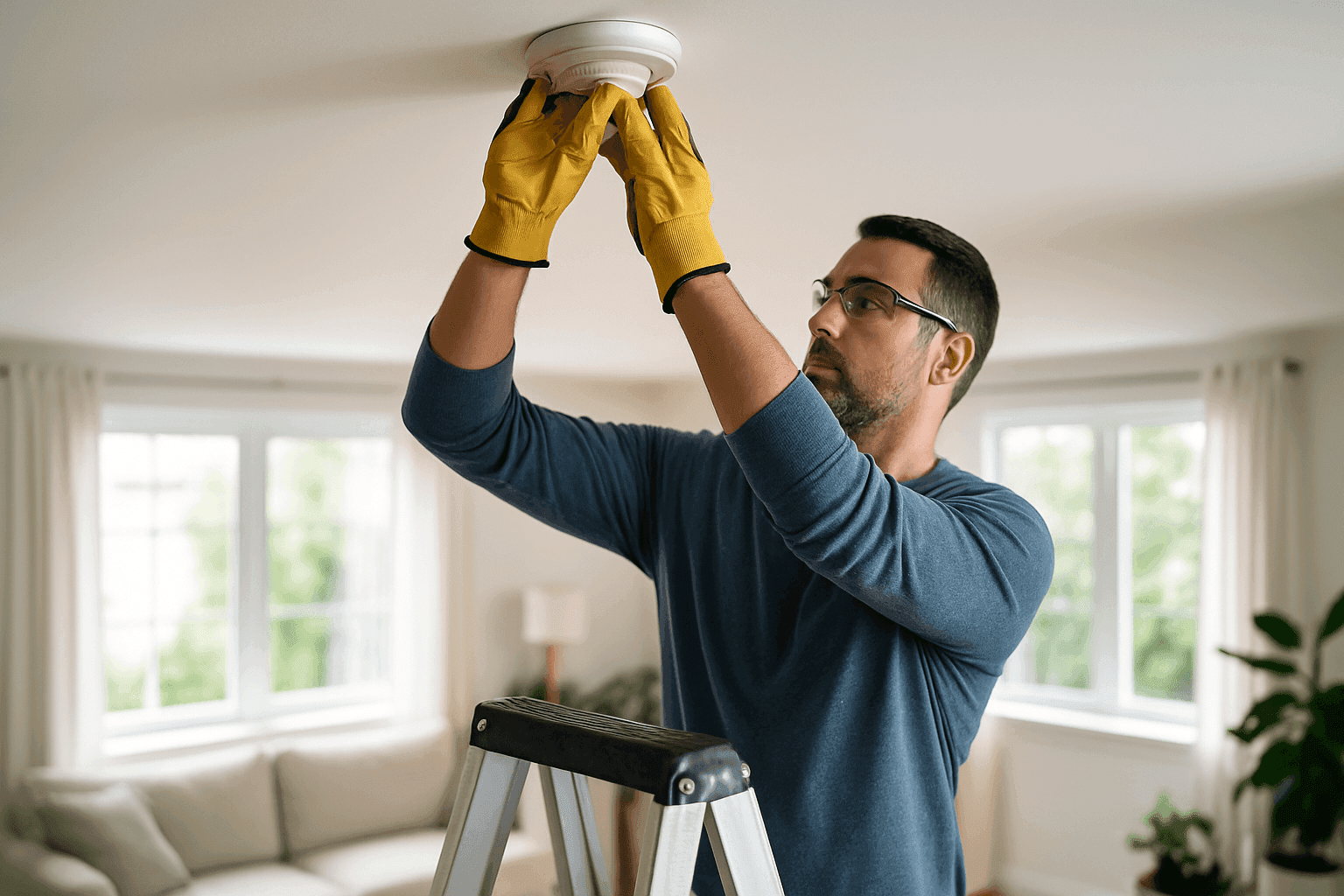
Is your home as safe as you think? Most homeowners rarely give their electrical systems a second thought—until something goes wrong. But just like changing the oil in your car, a little preventative attention can save you from big headaches, or even a disaster.
At Brighten Up Electricians, we’ve seen firsthand how simple checks can head off serious hazards. Every year, electrical fires and accidents affect thousands of families across Australia. Don’t let yours be one of them. Take a few minutes each year for these essential safety checks and keep your home bright, safe, and worry-free.
Why Annual Electrical Checks Matter
Electricity powers almost everything in your home. But it also hides in walls, behind appliances, under floors—out of sight and out of mind. Over time, wires age. Breakers wear out. Connections loosen. And the risks grow.
A quick annual review is like a pit stop for your home’s electrical “engine.” It’s not about paranoia. It’s about peace of mind. The Australian Fire & Emergency Services Authority and Standards Australia (AS/NZS 3000) both recommend regular inspections to reduce the risk of shock, fire, and appliance failure.
Quick Electrical Safety Checklist
Here’s what every homeowner should review at least once a year.
- Check Smoke & CO Detectors
- Test Outlets and GFCIs
- Inspect Circuit Breakers
- Look for Warning Signs in Your Home
Let’s break down each step.
Check Smoke & CO Detectors 🔥
These little boxes are your home’s early warning system. If they fail, you might not get a second chance.
- Test each detector monthly. Hold the test button until you hear the beep.
- Replace batteries every year—even if they still work. Many families do this when daylight saving time changes.
- Check the expiry date. Most smoke and carbon monoxide detectors last 7–10 years. After that, replace them.
- Vacuum detectors gently. Dust can block sensors.
Why it matters: Working detectors cut your risk of dying in a house fire by half (source: Fire & Rescue NSW). Carbon monoxide is invisible and deadly—detectors are the only way to catch a leak early.
Test Outlets and GFCIs ⚡
Outlets are the “doors” for electricity in your home. Faulty ones can spark, shock, or even start fires.
- Plug in a small lamp or outlet tester. If it flickers or doesn’t work, the outlet could be faulty.
- Test GFCI (safety) outlets in kitchens, bathrooms, outdoors, pool & spa electrical near you, and garages. Press the “test” button—power should cut off. Press “reset” to restore it.
- Check for warm or discoloured outlets. That’s a warning sign.
Tip: If an outlet feels loose or won’t hold a plug, it’s time for a pro.
Inspect Circuit Breakers 🧰
Your breaker box is like your home’s traffic controller. If it’s not working right, everything’s at risk.
- Open the panel and look for rust, scorch marks, or a burning smell.
- Trip and reset each breaker. They should move easily, with a firm click.
- Make sure labels are clear and correct. If you turn off “kitchen” and the bedroom lights go out, update your labels.
- If a breaker trips repeatedly, call an electrician. That’s a clue to a bigger issue.
Caution: Never remove the panel cover. Leave that to licensed electricians, especially for high-voltage wiring or if you spot burnt wires.
Look for Warning Signs 👀
Sometimes your home “talks” to you. Listen for trouble. Look for:
- Flickering or dimming lights.
- Buzzing sounds from outlets or switches.
- Frequent blown fuses or tripped breakers.
- Scorched, warm, or cracked outlets and switches.
- Sparking when plugging in appliances.
- Unusual smells (like melting plastic).
If you spot any of these, stop using the outlet or fixture and call an electrician.
DIY vs. Call a Pro
Some checks are easy—like testing a smoke alarm or flipping a breaker. But there’s a hard line between homeowner safety and jobs for a licensed electrician.
What’s safe to DIY:
- Testing detectors and GFCIs
- Replacing batteries or bulbs
- Visual inspections
What to leave to the pros:
- Anything inside the breaker panel
- Replacing or rewiring outlets and switches
- Diagnosing electrical faults, especially with appliances, pool & spa electrical, or home automation systems
- Any repairs after you spot warning signs
Remember: Electricity is not the place for guesswork. If you’re unsure, call Brighten Up Electricians.
What Pros Do On Arrival
When you book a professional electrical safety inspection, here’s what to expect:
- Thorough visual inspection of your switchboard, wiring, and outlets
- Testing of safety switches (RCDs) and circuit breakers
- Check for loose connections, corrosion, and outdated wiring
- Inspection of smoke and CO detectors, including expiry dates
- Review of pool & spa electrical, appliances, and EV chargers if present
- Detailed safety report and recommendations
Our licensed electricians follow industry standards and local codes, like AS/NZS 3000 (the Australian Wiring Rules), to catch issues you can’t see.
Prevention & Maintenance
A stitch in time really does save nine. Here’s how to keep your system humming:
- Don’t overload outlets or power boards. Spread out appliances.
- Replace frayed or damaged cords immediately.
- Schedule a professional inspection every 2–5 years, or after renovations, storms, or buying a new home.
- Install surge protection—especially if you have sensitive electronics or live in storm-prone areas.
- Keep water and moisture away from outlets and extension cords.
A little routine care now can prevent costly repairs and keep your home insurance valid.
Costs & Time Factors
Worried about time or money? Most annual checks take less than an hour for a typical home. Professional inspections vary, but they’re a small price compared to the risk of fire, shock, or damage to your appliances.
- DIY: Free, 30–60 minutes
- Professional: Usually under 2 hours
- Repairs: Simple fixes may be fast; rewiring or major repairs take longer and will require a quote
Think of it like a regular dental visit—routine, but worth every cent.
When It’s an Emergency
If you experience any of these, get help fast:
- You smell burning or see smoke from an outlet
- You see sparks or exposed wires
- Power goes out in just one area (not the whole house)
- You get a shock from a switch, outlet, or appliance
Don’t wait. Turn off the power at the main switch if safe, and call an electrician offering 24 hour service, like Brighten Up Electricians.
FAQ: Common Electrical Safety Questions
How often should electrical inspections happen?
Ideally, every 2–5 years—or annually if you have an older home, rental property, or after major renovations.
Can I install my own smoke detector?
Battery models, yes. Wired detectors or interconnected systems should be installed by a qualified electrician.
Why do my lights flicker?
It could be a loose bulb, faulty switch, or something more serious like overloaded circuits.
Is it safe to use extension cords permanently?
No. Extension cords are for temporary use only—permanent wiring should be installed by a professional.
Local & Seasonal Considerations
If you live in a bushfire zone, extra care is crucial. Check all outdoor wiring, especially pool & spa electrical near you and garden lighting. After big storms, inspect for water damage and call for a safety check if you notice anything unusual.
In winter, heaters, dryers, and extra lights put more demand on your system. Summer brings storms and high humidity—both can stress old wiring. Stay ahead by making electrical safety an annual tradition.
Every home deserves to be a haven. Take these simple steps, and you’ll sleep easier knowing you’ve protected what matters most. If you ever feel out of your depth, don’t risk it—call Brighten Up Electricians for trusted help with pool & spa electrical, home automation, rewiring, or any electrical need.
Call Brighten Up Electricians now — or reach us anytime at 877-725-5126 .